
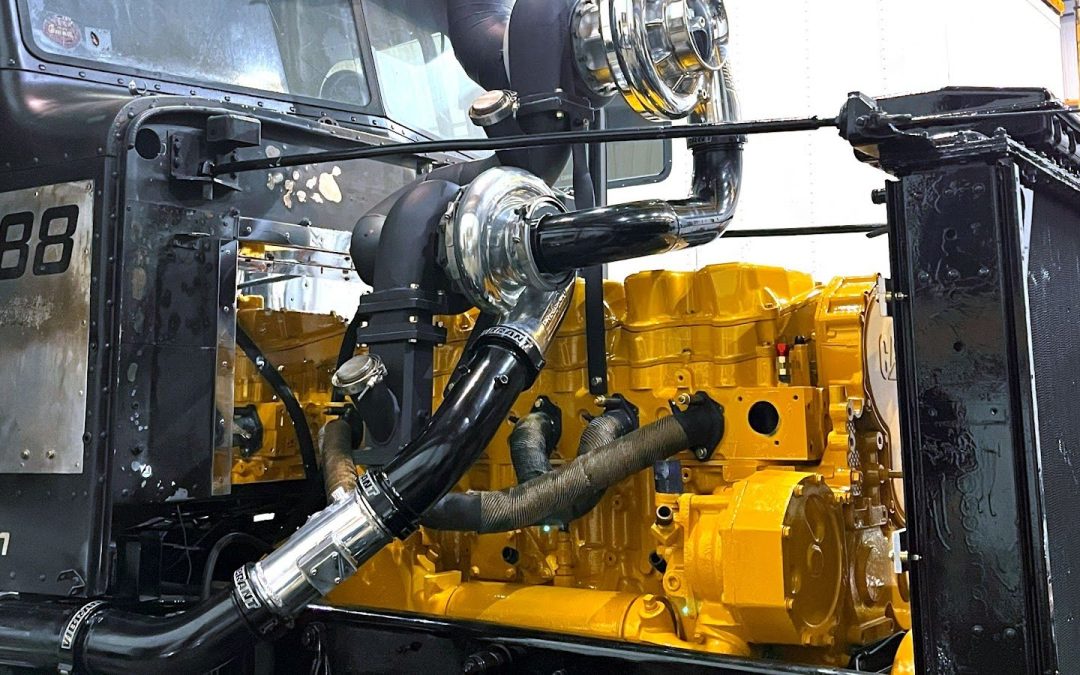
Diesel engines in 2026 are advanced, efficient, and complex. Accurate diagnosis now depends on strong fundamentals and data-driven tools, given the integration of electronics, emission systems, and advanced control modules.
Reading symptoms, using diagnostics properly, and avoiding guesswork help reduce downtime, prevent unnecessary parts replacement, and keep your diesel running at its best.
MHPD specializes in semi-diesel engine tuning, drawing on up-to-date industry knowledge. Achieving top performance starts with ensuring your engine’s mechanical condition. This article reviews diesel engine components and key issues to watch for before tuning.
Understanding Diesel Engine Systems
Today’s diesel engines rely heavily on electronic control systems rather than purely mechanical controls. Tighter tolerances and higher injection pressures support better power and efficiency, but this also means seemingly minor issues can cause significant problems if not properly diagnosed.
GPS tracking, telematics, and onboard diagnostics provide real-time data, making it easier to see how your engine behaves under load. Modern diagnostics are about reading and understanding the data your engine already provides.
Accurate Diagnostics
A correct diagnosis prevents a “parts cannon” (replacing parts randomly, hoping to fix the problem). Often, when mechanics or DIY mechanics guess, you end up swapping parts repeatedly, hoping that something will solve the issue. This wastes money and time and does not address what’s actually wrong.
Accurate troubleshooting reduces downtime and labour. All this while helping your engine stay within performance and emissions requirements. With strict regulations and tight operating margins, getting it right the first time matters.
Early Warning Signs
Catching the problems early starts with knowing what to look for. These are some of the common warning signs that hinder your engine performance:
- Hard start or no-start
- Loss of power underload
- Excessive smoke ( black, white, blue)
- Rough idle, misfires, excessive vibrations
- Noticeably bad fuel economy
These rarely appear out of nowhere, and they usually point toward specific systems when you know how to identify them.
Different Symptoms
While an accurate diagnosis always requires proper testing, certain patterns are useful guides:
- White Smoke: often points to unburnt fuel, cold combustion, or issues with injectors or glow plugs.
- Black Smoke: usually indicates overfueling or restricted airflow, such as clogged air filters, charge-air leaks, or fueling faults.
- Blue Smoke: often associated with oil consumption, worn seals, or turbocharger issues.
These are starting clues, and never the final answers; it’s integral that you confirm them with proper inspection and testing.
The Fuel System
Filters and Flow
The fuel system is one of the most common points of failure. When you’re starting an assessment, this is likely the best place to begin. Check for clogged fuel filters, restricted flow or any signs of contamination. Clear signs of issues with the fuel system are often in the fuel quality. Evaluate it for water debris and, in colder weather, for gelling. Many drivability issues, such as loss of power, can be traced to something as simple as restricted or poor-quality fuel.
Injectors and Fuel Pressure
Fuel delivery systems are the next to check, including testing the fuel injectors for proper spray patterns, leakage and proper timing. Along with verifying that the fuel pressure and volume meet your engine’s specifications for different loads. If fuel distribution is uneven, this can cause rough running, misfires, and poor overall performance.
Fuel Pumps
Fuel pumps that can’t maintain steady pressure or volume can cause the engine to act up in ways often mistaken for other problems. Low pressure causes power loss; fluctuating pressure causes surging or uneven operation.
Diesel Engine Parts in Edmonton
Quality Parts
When repairs are needed, using the right diesel engine parts is essential. Incompatible or low-quality components can create new issues or mask existing ones, making future diagnostics more difficult.
Quality parts ensure problems stay fixed and keep electronics and emissions systems working correctly.
Replace vs Repair
Data should guide whether a component is repaired, cleaned, recalibrated, or replaced. Measured values, test results, and history provide a more reliable basis for decisions than guesswork.
Avoid swapping parts just to see if the problem disappears. Let testing, specifications, and system behaviour guide your next move.
Reducing Downtime and Repair Costs
Early detection, structured diagnostics, and smart use of quality parts all work together to reduce downtime and extend engine life. Partnering with experienced diesel technicians who understand modern systems is one of the most effective ways to protect your equipment investment.
If your diesel is not performing the way it should, the first step is to understand what the data and the engine are telling you, then act on it with a clear plan. When all the mechanics are working, we’ll help improve performance with a custom tune that fits your engine
When you’re ready for improved performance, contact MHPD for your engine tuning. Maximize performance, power, and efficiency with expert services designed to address decreased power, poor fuel economy, or rough idling. Our advanced tuning solutions ensure your diesel engine operates at its best, delivering enhanced performance and improved fuel efficiency tailored to your specific needs.